Case-Assisting Medical Imaging
Personal Injury
May 11, 2026
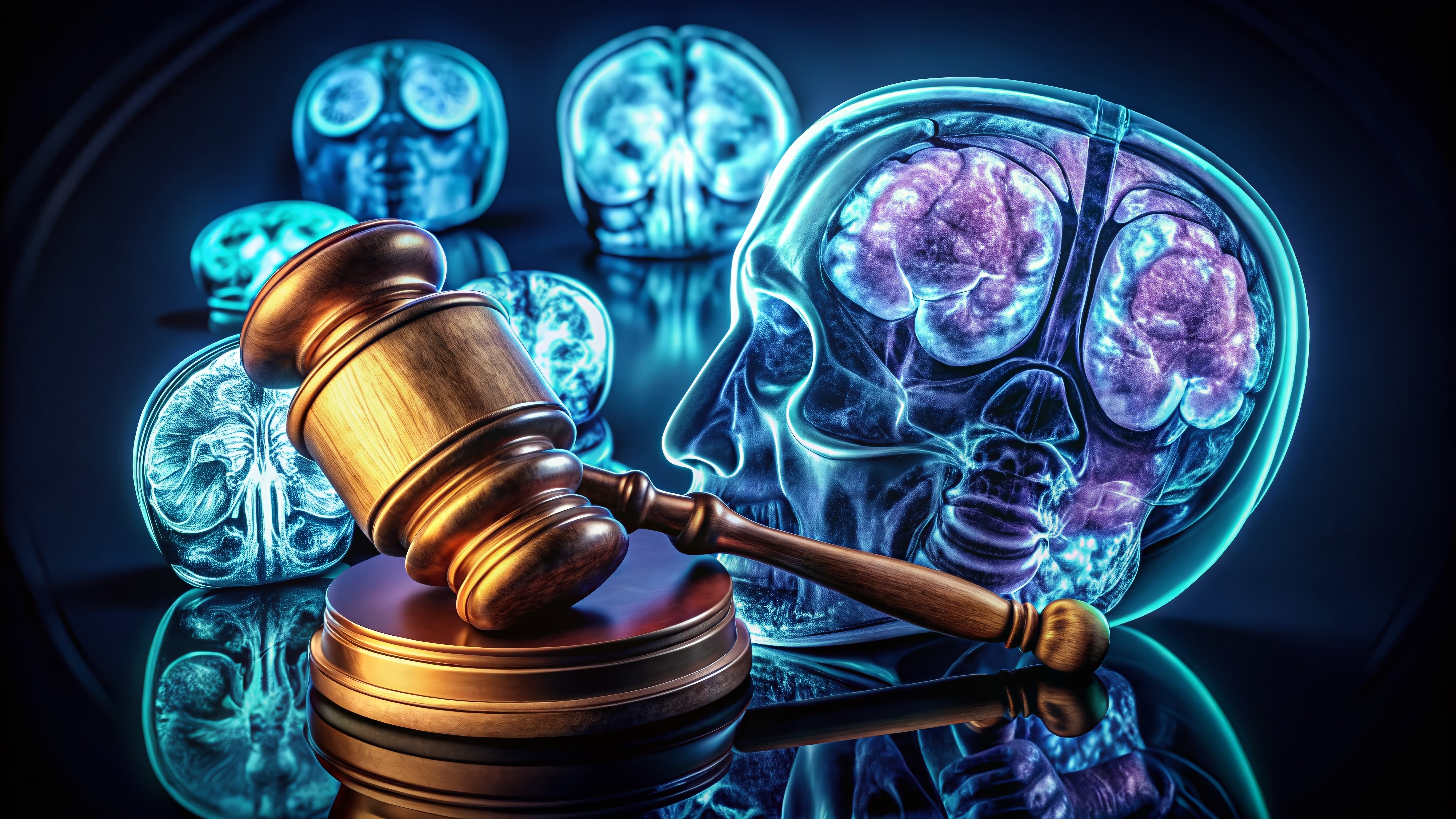
How Diagnostic Imaging Creates an Objective Record of Your Injury
When you're injured in an accident, two things start happening at once. The first is your medical care — evaluation, diagnosis, and treatment. The second is documentation: the medical record that describes what happened to your body, when, and how severely.
Both matter. And diagnostic imaging plays a central role in each.
Pain Is Real — But It's Subjective
Pain is the reason most people seek care after an accident, but pain alone can't be measured, photographed, or independently verified. One person's herniated disc produces agonizing radiating pain; another person's identical disc produces a dull ache. Medical records that rely only on reported symptoms tell an incomplete story.
That's where advanced imaging changes the picture — literally.
MRI Turns Symptoms Into Findings
An MRI produces detailed, objective images of the structures inside your body. When a radiologist reviews those images, subjective complaints become documented findings:
"My neck hurts" becomes a documented disc herniation at C5-C6 with nerve root compression
"My knee gives out" becomes a visualized tear of the anterior cruciate ligament
"My back has never been the same" becomes identified disc bulges with measurable canal narrowing
These findings serve your medical care first and foremost: your treating providers use them to build an accurate treatment plan, track healing over time, and decide whether referral to a specialist is warranted.
Why the Radiology Report Matters
Every MRI performed at Accu-Med is interpreted by a board-certified radiologist who produces a formal written report. That report becomes part of your permanent medical record and typically documents:
What was found — the specific structures affected and the nature of the findings
Where — precise anatomical locations (for example, specific spinal levels)
Severity — measurements and descriptive grading where applicable
Comparison — how findings have changed if prior imaging exists
This level of detail is valuable to everyone involved in your care: your primary treating physician or chiropractor, any specialists you're referred to, and — if your injury resulted from an accident — the insurers and legal professionals reviewing your claim.
Imaging and Insurance Claims
In Florida's no-fault system, Personal Injury Protection (PIP) claims and any related injury claims are evaluated in large part on medical documentation. Objective imaging findings help establish that an injury exists, characterize its severity, and connect the medical treatment you received to a documented condition.
If you're working with an attorney on an accident-related claim, your imaging studies and radiology reports are typically among the records they request. Accu-Med routinely provides records and imaging to patients and, with proper authorization, to their designated representatives — accurately, promptly, and in full compliance with privacy law.
To be clear: imaging doesn't determine the outcome of any claim, and no diagnostic center can promise what an insurer or court will decide. What imaging does is ensure the record reflects reality — and an accurate record serves everyone.
Timing and Follow-Up Imaging
Two practical points worth knowing:
Earlier is generally better. Imaging performed close in time to an accident creates a clearer connection between the event and the findings. Long gaps between injury and imaging leave more room for questions.
Follow-up studies show trajectory. A second MRI months later can document whether an injury is healing, stable, or worsening — information that guides both ongoing treatment and any long-term care decisions.
Whether imaging is appropriate, and when, is always a decision for your treating provider based on your clinical presentation.
Accurate Imaging, Properly Documented
At our Plantation and Miami Gardens centers, Accu-Med Diagnostic Centers provides MRI services with board-certified radiologist interpretation and prompt report delivery to referring providers throughout Broward and Miami-Dade counties. We understand that our images and reports don't just inform treatment — they become part of a record that may be read carefully by many people. We treat that responsibility accordingly.
Questions about scheduling or records requests? Contact Accu-Med Diagnostic Centers.
This article is for informational purposes only and is not medical or legal advice. Consult a licensed healthcare provider about your condition, and a licensed attorney about any legal matter.